

Understanding the Cost of Red Light Therapy
If you’ve been exploring ways to improve your body and manage pain without surgery, you’ve probably heard about red light therapy. It’s gaining popularity as a non-invasive treatment that can help with everything from skin health to muscle recovery. But one question often pops up: How much does red light therapy actually cost? I’ve done the research and want to share what I’ve learned to help you make an informed decision.
What Influences the Cost of Red Light Therapy?
When you start looking into red light therapy, you’ll notice the prices can vary quite a bit. Why is that? Several factors come into play:
Type of treatment: Are you going for in-clinic sessions or considering an at-home device? Professional treatments usually cost more per session but come with expert guidance.
Session length and frequency: Some treatments last 10 minutes, others up to 30. The number of sessions you need also affects the total cost.
Device quality and technology: Higher-end devices with better LEDs and wavelengths tend to be pricier.
Location: Prices can differ depending on where you live and the clinic’s reputation.
For example, a single session at a wellness center might range from $25 to $75, while purchasing a home device can cost anywhere from $150 to over $1,000. It’s important to weigh these options based on your budget and goals.

Breaking Down the Cost of Red Light Therapy
Let’s get into the nitty-gritty of what you might expect to pay. Here’s a simple breakdown:
Professional Sessions
Single session: $25 - $75
Package deals: Many clinics offer packages of 6 to 12 sessions, which can bring the cost down to $20 - $50 per session.
Consultation fees: Some places charge an initial consultation fee, usually around $50.
At-Home Devices
Entry-level devices: $150 - $300, suitable for small areas like the face or joints.
Mid-range devices: $300 - $700, often larger panels for more coverage.
High-end devices: $700 - $1,500+, designed for full-body treatments and professional-grade results.
Keep in mind, at-home devices are a one-time investment but require you to be consistent with treatments. Professional sessions offer expert supervision but add up over time.
If you want to dive deeper into the red light therapy cost specifics, this link provides a detailed guide.
Is Red Light Therapy Worth the Money?
This is the big question, right? You want to know if the benefits justify the expense. From my experience and research, here’s what you should consider:
Effectiveness: Red light therapy has been shown to help with pain relief, inflammation reduction, skin rejuvenation, and muscle recovery. If these are your goals, it can be a valuable tool.
Non-invasive nature: Unlike surgery or medications, it’s gentle and has minimal side effects.
Time commitment: You’ll need regular sessions to see results, whether at home or in a clinic.
Personal response: Everyone’s body reacts differently. Some see quick improvements, others take longer.
If you’re looking for a non-surgical way to transform your body or manage pain, red light therapy can be a smart investment. Just be sure to set realistic expectations and commit to the process.
How to Save Money on Red Light Therapy
Want to get the benefits without breaking the bank? Here are some tips:
Look for package deals: Clinics often offer discounts when you buy multiple sessions upfront.
Try at-home devices: If you’re consistent, these can be more cost-effective over time.
Check for promotions: Some wellness centers run seasonal specials or first-time visitor discounts.
Combine treatments: Some places bundle red light therapy with other services for a better price.
Ask about financing: Some clinics offer payment plans to spread out the cost.
By planning ahead and exploring your options, you can find a solution that fits your budget and wellness goals.
What to Expect During a Red Light Therapy Session
If you decide to try professional sessions, here’s a quick rundown of what happens:
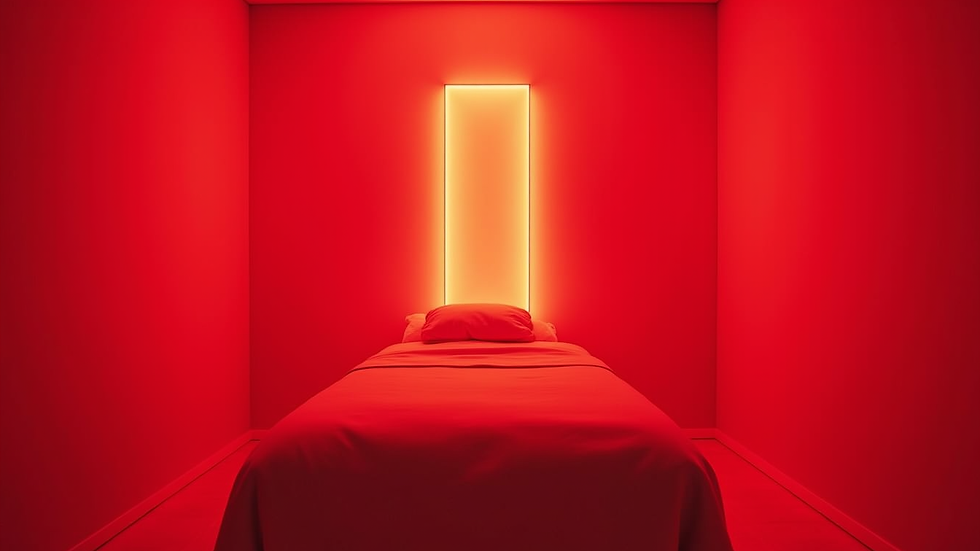
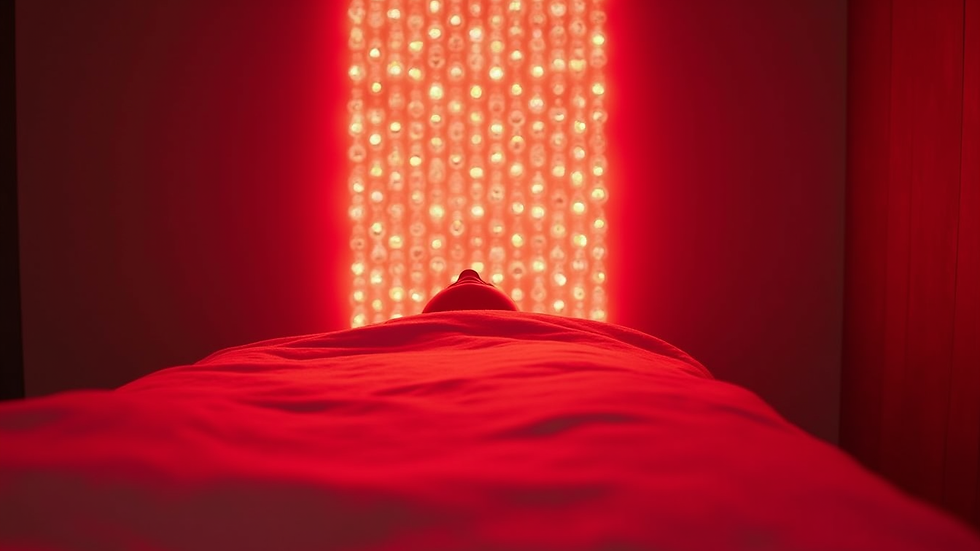
You’ll be guided to a treatment area, often a private room or a dedicated therapy bed.
The therapist will position the red light device over the target area.
Sessions usually last 10 to 30 minutes.
You might feel a gentle warmth but no pain.
Afterward, you can resume normal activities immediately.
At-home devices work similarly but require you to set up and time the sessions yourself. Consistency is key to seeing results.
Final Thoughts on Investing in Your Wellness
Choosing red light therapy is about investing in your health and comfort. It’s a non-invasive, promising option for those seeking body transformation and pain relief without surgery. Understanding the costs involved helps you plan better and avoid surprises.
If you’re in Kansas City and want to explore this further, places like Total Bliss Too! offer personalized care with advanced technology to support your wellness journey. Remember, the right treatment is one that fits your needs, budget, and lifestyle.
Ready to take the next step? Whether you opt for professional sessions or an at-home device, red light therapy could be the boost your body needs to feel its best.


Comments